


Steamer papers are essential tools in the culinary world, especially in steaming food. They not only help to retain the moisture and flavor of the food but also make the cooking process more convenient and clean. As a supplier of steamer papers, I often get asked about what materials these papers are made of. In this blog post, I'll delve into the various materials used in the production of steamer papers, their characteristics, and how they impact the steaming experience.
Common Materials for Steamer Papers
1. Paperboard
Paperboard is one of the most widely used materials for steamer papers. It is a thick paper-like material that is strong and durable. Paperboard steamer papers are usually made from recycled paper fibers, which makes them an environmentally friendly option.
The manufacturing process of paperboard involves pulping the recycled paper, which is then pressed and dried to form a thick sheet. The paperboard used for steamer papers is often treated to make it heat-resistant and greaseproof. This treatment ensures that the paper can withstand the high temperatures in a steamer without breaking down or absorbing the oil from the food.
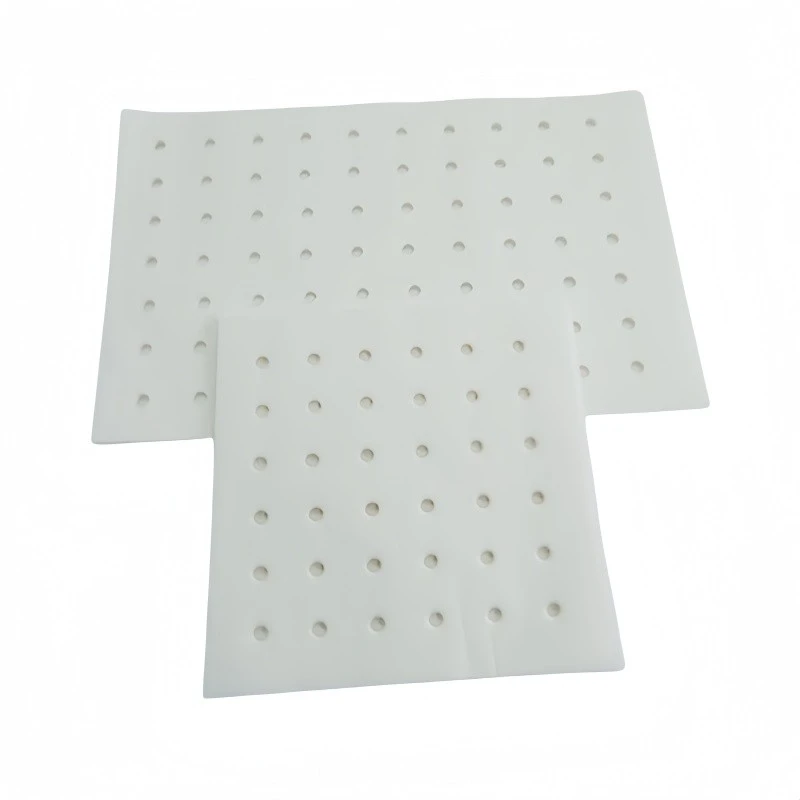
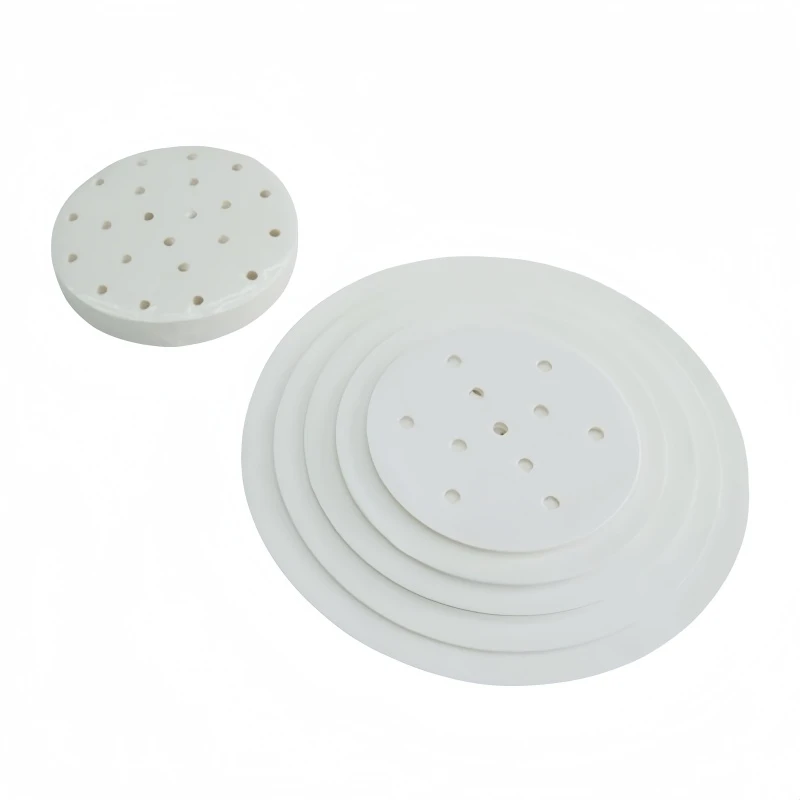
One of the advantages of paperboard steamer papers is their affordability. They are relatively inexpensive to produce, which makes them a cost - effective choice for both home cooks and professional chefs. Additionally, paperboard steamer papers come in various shapes and sizes, such as Rectangular Steamer Paper, Round Steamer Paper, and Square Steamer Paper, to meet different cooking needs.
However, paperboard steamer papers have some limitations. They may not be as flexible as other materials, and they can become soggy if they are exposed to excessive moisture for a long time.
2. Parchment Paper
Parchment paper is another popular material for steamer papers. It is made from cellulose fibers that are treated with sulfuric acid or zinc chloride to make them strong and heat - resistant. Parchment paper has a smooth surface and is non - stick, which makes it ideal for steaming delicate foods such as fish and vegetables.
The treatment process of parchment paper gives it a unique property of being able to withstand high temperatures without burning. It can typically tolerate temperatures up to 450°F (232°C), which is well within the range of most steaming applications.
Parchment paper is also very flexible, which allows it to be easily shaped around the food. This flexibility makes it suitable for creating individual parcels for steaming, which can help to trap the steam and flavors inside. Moreover, parchment paper is food - safe and does not release any harmful chemicals when heated, ensuring the safety of the food being steamed.
On the downside, parchment paper is more expensive than paperboard. It is also less durable than some other materials, and it may tear if not handled carefully.
3. Silicone
Silicone steamer papers are a relatively new addition to the market. They are made from silicone rubber, which is a synthetic polymer. Silicone is known for its high heat resistance, flexibility, and non - stick properties.
Silicone steamer papers can withstand extremely high temperatures, often up to 500°F (260°C) or more. This high heat resistance makes them suitable for use in both stovetop steamers and electric steamers. They are also very durable and can be reused multiple times, which makes them a sustainable option in the long run.
The non - stick surface of silicone steamer papers means that food can be easily removed after steaming, and there is no need for additional greasing. This not only makes the cleaning process easier but also reduces the amount of fat used in cooking.
However, silicone steamer papers are generally more expensive than paper - based options. They also have a distinct texture, which may not be preferred by some users.
4. Banana Leaves
In some cultures, banana leaves are used as a natural alternative to traditional steamer papers. Banana leaves are large, flexible, and have a natural aroma that can enhance the flavor of the food.
Banana leaves are a renewable resource, and they are biodegradable, making them an environmentally friendly choice. They are also readily available in tropical regions. When used for steaming, banana leaves can help to keep the food moist and impart a subtle, earthy flavor.
To use banana leaves as steamer papers, they need to be cleaned and softened first by briefly blanching them in boiling water. However, banana leaves are not as widely available in all areas, and they are not as convenient as commercially produced steamer papers. They also have a relatively short shelf - life and need to be used fresh.
Impact of Materials on the Steaming Process
The choice of material for steamer papers can have a significant impact on the steaming process and the final result of the food.
1. Heat Transfer
Different materials have different heat transfer properties. For example, paperboard and parchment paper are good insulators, which means they can help to slow down the heat transfer and keep the food from overcooking. This is beneficial for delicate foods that require gentle and even cooking. On the other hand, silicone has better heat conductivity, which can result in faster cooking times.
2. Flavor Absorption
Some materials can absorb or impart flavors to the food. For instance, banana leaves can add a unique flavor to the food being steamed. Paperboard and parchment paper are generally neutral in terms of flavor, while silicone does not have any significant flavor impact.
3. Moisture Retention
The ability of the material to retain moisture is crucial in steaming. Silicone and parchment paper are good at retaining moisture, which helps to keep the food juicy and tender. Paperboard may lose some of its moisture - retaining ability if it gets too wet, but it can still work well for shorter steaming times.
Conclusion
As a steamer paper supplier, I understand the importance of choosing the right material for different cooking needs. Each material has its own advantages and disadvantages, and the choice depends on factors such as cost, convenience, environmental impact, and the type of food being steamed.
Whether you are a home cook looking for an affordable and convenient option or a professional chef in need of high - quality, durable steamer papers, there is a material out there that suits your requirements. We offer a wide range of steamer papers made from different materials, including Rectangular Steamer Paper, Round Steamer Paper, and Square Steamer Paper.
If you are interested in purchasing our steamer papers or have any questions about the materials and their applications, please feel free to contact us for a procurement discussion. We are committed to providing you with the best products and services to meet your culinary needs.
References
- "Food Packaging Materials: Properties and Performance" by Yanyun Zhao and Tara Hoppe
- "Culinary Arts: Techniques and Principles" by The Culinary Institute of America


