


What is the packaging of disposable cup lids like?
As a supplier of disposable cup lids, I've witnessed firsthand the evolution and diversity of packaging solutions for these essential items. Disposable cup lids are ubiquitous in our daily lives, used in coffee shops, fast - food restaurants, and even at home for take - away beverages. The packaging of these lids is not just about containment; it's a crucial element that impacts product safety, brand image, and environmental sustainability.
The Basics of Disposable Cup Lid Packaging
The most fundamental purpose of packaging disposable cup lids is to protect them from damage and contamination. When lids are produced, they are often stacked in groups and then placed into a suitable container. One of the most common forms of packaging is the plastic bag. These bags are typically made of polyethylene, a lightweight and cost - effective material. The lids are neatly arranged inside the bag, and the bag is then sealed to prevent dust, dirt, and other contaminants from getting in.
For larger quantities, corrugated cardboard boxes are also widely used. Cardboard boxes offer better protection against physical damage during transportation and storage. They can be customized in size to fit different numbers of lid stacks. For example, a small coffee shop might order lids in boxes that contain 500 or 1000 lids, while a large - scale distributor might deal with boxes that hold 5000 or more.
Design Considerations for Packaging
The design of the packaging is not only about functionality but also about marketing. Our company understands that a well - designed package can enhance brand recognition. We often print our logo, brand name, and product information on the packaging. This not only helps in promoting our brand but also provides important details to the customers, such as the size of the lids, the material they are made of, and any special features.
In addition to branding, the packaging design also takes into account ease of use. For instance, some of our packages have perforations or tear - off strips that make it easy for the end - user to access the lids. This is especially important for busy coffee shop employees who need to quickly grab lids during peak hours.
Types of Disposable Cup Lid Packaging
1. Single - Use Packaging
Single - use packaging is the most common type for disposable cup lids. As mentioned earlier, plastic bags and cardboard boxes fall into this category. They are designed to be opened once and then discarded. While this type of packaging is convenient, it has raised concerns about environmental impact. To address this, we are constantly exploring more sustainable options.
2. Reusable Packaging
Reusable packaging is an emerging trend in the industry. For some of our larger customers, we offer reusable plastic containers. These containers can be returned to us after use, and we can refill them with new lids. This not only reduces waste but also saves costs in the long run for the customers.
Specialized Packaging for Different Lid Types
Disposable Coffee Cup Lid
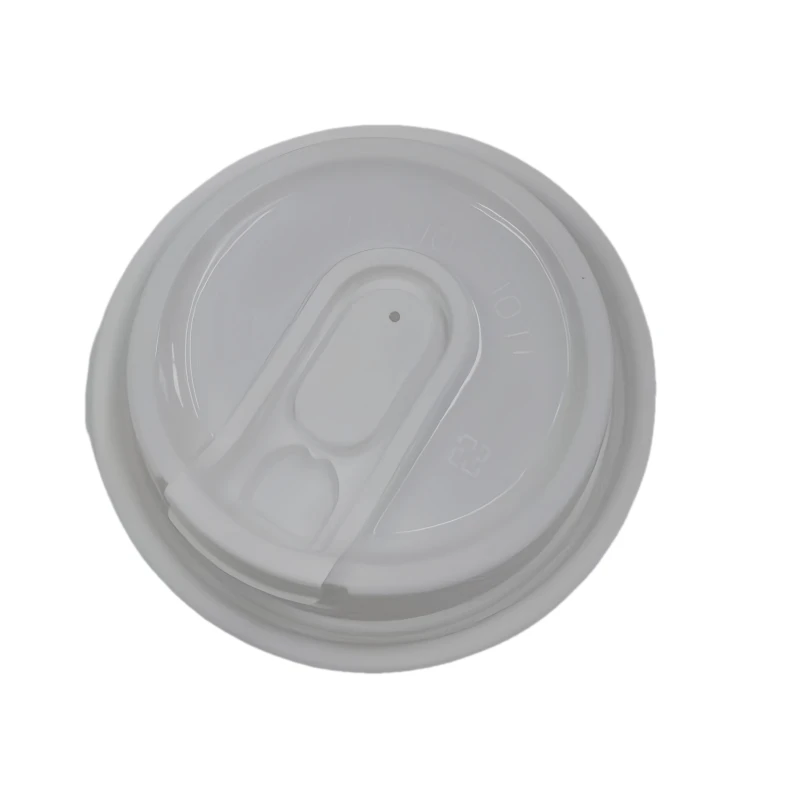
Disposable coffee cup lids often require special packaging due to their unique features. Many coffee cup lids have a sipping hole or a vent, which needs to be protected from damage. Our Disposable Coffee Cup Lid packaging is designed to keep these delicate parts intact. We use cushioning materials inside the package to prevent the lids from rubbing against each other and causing damage to the sipping holes or vents.
U - shaped Coffee Cup Lid
U - shaped coffee cup lids are another popular type. They are designed to fit snugly on the coffee cups and provide a better seal. The U - shaped Coffee Cup Lid has a distinct shape, and our packaging is customized to accommodate this shape. We use dividers inside the boxes to keep the lids separated and prevent them from getting deformed during transportation.
Environmental Considerations
In today's world, environmental sustainability is a top priority. The packaging of disposable cup lids is no exception. We are committed to reducing our environmental footprint by using more sustainable materials in our packaging. For example, we are starting to use biodegradable plastic bags and cardboard boxes made from recycled materials.
Biodegradable plastics break down naturally over time, reducing the amount of waste that ends up in landfills. Recycled cardboard not only saves trees but also reduces the energy required for production. We are also exploring the use of compostable materials for our packaging, which can be turned into compost after use.
Quality Control in Packaging
Quality control is an integral part of the packaging process. We have strict standards to ensure that the packaging is of high quality. Before the lids are packed, we check for any defects in the lids themselves. Then, during the packaging process, we make sure that the lids are properly arranged and that the packaging is sealed correctly.

We also conduct regular tests on the packaging materials. For example, we test the strength of the cardboard boxes to ensure that they can withstand the weight of the lids during transportation. We check the seal of the plastic bags to make sure that they are air - tight and can prevent contamination.
Conclusion
The packaging of disposable cup lids is a complex and multi - faceted topic. It combines functionality, design, environmental considerations, and quality control. As a supplier, we are constantly innovating to improve our packaging solutions. We believe that by offering high - quality, sustainable, and well - designed packaging, we can not only meet the needs of our customers but also contribute to a more sustainable future.
If you are interested in our disposable cup lids and would like to discuss procurement, we welcome you to reach out to us. We are ready to provide you with detailed product information and competitive pricing. Let's work together to find the best packaging and product solutions for your business.
References
- Packaging World. "Innovations in Disposable Product Packaging."
- Journal of Sustainable Packaging. "Environmental Impact of Single - Use Packaging."


