


Hey there! I'm a supplier in the mini yogurt cup market, and I've been knee - deep in this industry for quite a while. So, I thought I'd share my take on what the competition is like in this niche market.
First off, the mini yogurt cup market has been booming in recent years. There's a growing demand for convenient, single - serving snacks, and mini yogurt cups fit the bill perfectly. They're great for on - the - go munching, whether you're rushing to work, hitting the gym, or just need a quick energy boost.
One of the most obvious aspects of the competition is the variety of products. There are so many different types of mini yogurt cups out there. You've got your Classic Yogurt Cup, which is the tried - and - true option. It usually comes in basic flavors like strawberry, blueberry, and vanilla. These are the flavors that consumers know and love, and they're always in demand. But then, there are also more adventurous flavors hitting the market, like matcha, salted caramel, and even exotic fruit blends. As a supplier, I've had to keep up with these trends to stay relevant.
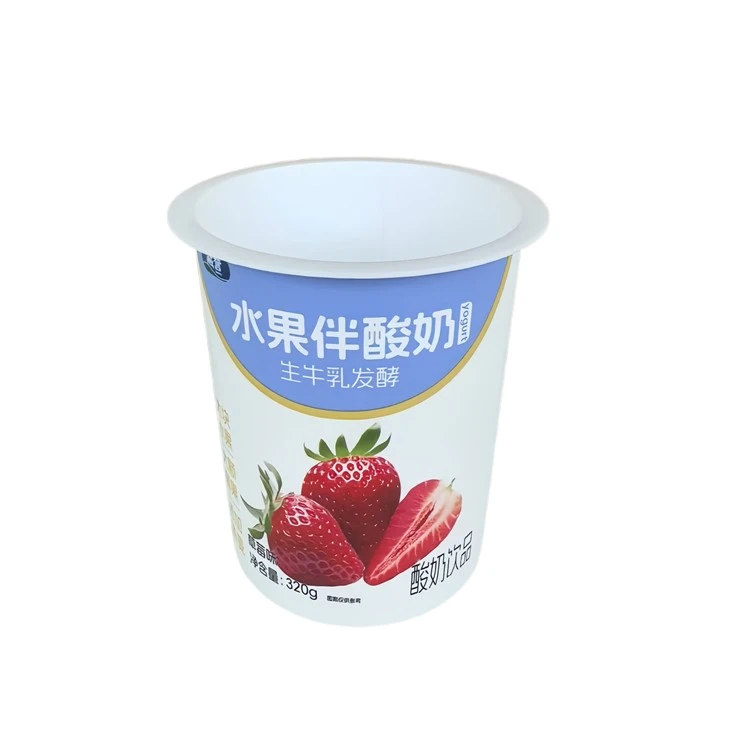
Another factor in the competition is the packaging. Mini yogurt cups come in all sorts of shapes, sizes, and materials. Some are made of plastic, which is lightweight and cost - effective. Others are in paper - based containers, which are more eco - friendly and appeal to the growing number of environmentally - conscious consumers. And let's not forget about the design of the packaging. A well - designed cup with eye - catching labels can really stand out on the supermarket shelves. I've seen some suppliers go all out with their packaging, using bright colors, cool graphics, and even adding little features like built - in spoons or lids that are easy to open.
The price is also a huge part of the competition. There are budget - friendly options for consumers who are looking for a cheap snack, and there are also premium products that come with a higher price tag. The premium mini yogurt cups often boast features like organic ingredients, no added sugars, or unique flavor combinations. As a supplier, I have to find the right balance between quality and price. I want to offer a product that's good enough to compete with the premium brands but also affordable enough to attract cost - conscious shoppers.
Now, let's talk about marketing and distribution. In this market, it's not just about having a great product; you also need to get it in front of the right people. Big brands have huge marketing budgets, and they can afford to run TV commercials, sponsor events, and do social media campaigns. As a smaller supplier, I have to be more creative with my marketing. I focus on building relationships with local stores, doing in - store promotions, and using social media platforms to engage with consumers directly.
Distribution is another challenge. Getting my mini yogurt cups onto the shelves of major supermarkets can be a real battle. These big retailers have strict requirements when it comes to product quality, packaging, and pricing. They also have a lot of suppliers vying for their attention. So, I've had to work hard to prove that my product is worth stocking. At the same time, I've also been exploring alternative distribution channels, like online marketplaces and health food stores.

The competition also extends to the nutritional value of the products. Consumers are becoming more health - conscious, and they're looking for mini yogurt cups that are not only delicious but also good for them. Some suppliers are focusing on low - fat or low - sugar options, while others are adding probiotics or other health - promoting ingredients. I've had to invest in research and development to make sure my products meet these nutritional demands.
In terms of the competition among suppliers, it's a cut - throat environment. There are both large - scale manufacturers and small - scale artisanal producers in the market. The large manufacturers have the advantage of economies of scale. They can produce huge quantities of mini yogurt cups at a lower cost, which allows them to offer competitive prices. However, small - scale producers can often offer more unique and high - quality products. They can focus on using local, fresh ingredients and creating small - batch products that have a more personal touch.
I've also noticed that partnerships and collaborations are becoming more common in the mini yogurt cup market. Some suppliers are teaming up with food bloggers or influencers to promote their products. Others are collaborating with other food companies to create co - branded products. For example, a yogurt supplier might partner with a chocolate company to create a mini yogurt cup with chocolate chips or a drizzle of chocolate sauce. These partnerships can help increase brand awareness and attract new customers.
As a supplier, I'm constantly looking for ways to differentiate my products from the competition. One thing I've done is to focus on customer service. I make sure to respond quickly to customer inquiries and feedback. I also offer flexible ordering options, like custom - sized orders for special events or bulk discounts for retailers. By providing excellent customer service, I hope to build long - term relationships with my customers.
So, if you're in the market for mini yogurt cups, whether you're a retailer looking to stock your shelves or a consumer looking for a great snack, I'd love to have a chat with you. I can offer you a wide range of high - quality mini yogurt cups at competitive prices. Whether you're interested in our Single Serving Yogurt Cup or our Double Serving Yogurt Cup, I'm confident that I can meet your needs. Just reach out, and we can start discussing your requirements.
References
- Industry reports on the dairy and snack food market
- Market research on consumer preferences for mini yogurt cups
- Interviews with other suppliers and retailers in the mini yogurt cup market


