


As a supplier of Mini Yogurt Cups, I'm often asked about the ingredients that go into these delightful little treats. Mini yogurt cups are not only convenient but also offer a variety of flavors and nutritional benefits. In this blog post, I'll take you through the key ingredients that make up a typical mini yogurt cup and explain their roles.
Milk
The foundation of any yogurt is milk. Milk serves as the primary source of protein, calcium, and other essential nutrients. For our mini yogurt cups, we typically use high - quality cow's milk. However, we also offer options made from goat's milk or plant - based alternatives such as soy milk, almond milk, and coconut milk for those with dairy allergies or who prefer a vegan diet.
Cow's milk is rich in casein and whey proteins, which are important for muscle growth and repair. Calcium in milk is crucial for maintaining strong bones and teeth. When it comes to plant - based milks, soy milk is a great source of protein, while almond milk is low in calories and high in vitamin E. Coconut milk adds a creamy texture and a tropical flavor.
Live Cultures
One of the most important ingredients in yogurt is live cultures, also known as probiotics. These beneficial bacteria, such as Lactobacillus bulgaricus and Streptococcus thermophilus, are responsible for fermenting the milk and turning it into yogurt. They also offer numerous health benefits, including improved digestion, a stronger immune system, and better gut health.

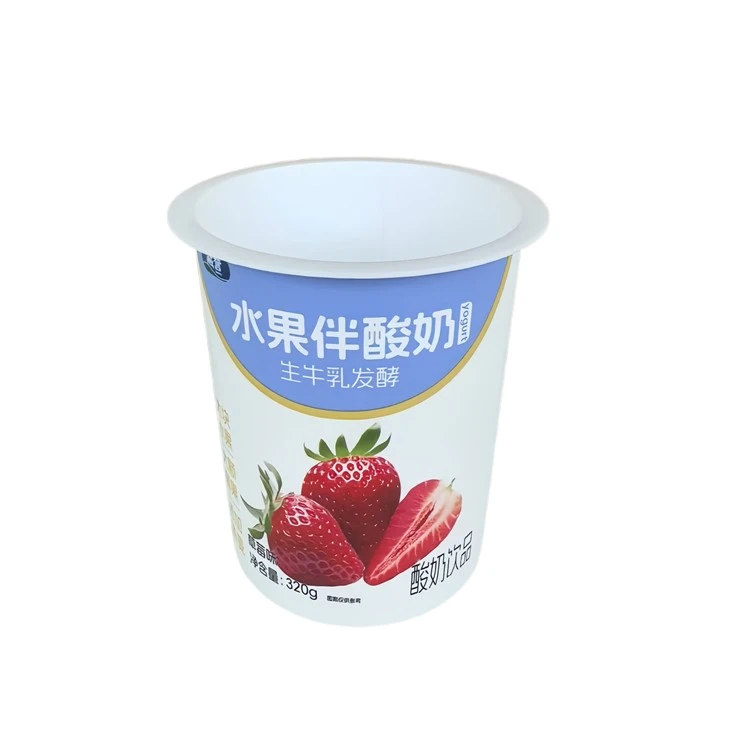
During the fermentation process, the live cultures convert lactose (the sugar in milk) into lactic acid. This acid gives yogurt its characteristic tangy flavor and helps to thicken the milk. Additionally, some of our mini yogurt cups are fortified with other probiotic strains like Bifidobacterium, which can further enhance the health benefits.
Sweeteners
To make our mini yogurt cups more appealing, we add sweeteners. The type and amount of sweetener used can vary depending on the flavor and the target market. Common sweeteners include sugar, honey, and artificial sweeteners.
Sugar is the most traditional sweetener used in yogurt. It adds a simple and familiar sweetness. Honey, on the other hand, not only sweetens the yogurt but also brings its own unique flavor and some health benefits, such as antioxidants. For those who are watching their sugar intake, we offer options with artificial sweeteners like aspartame or stevia. These sweeteners provide sweetness with fewer calories.
Flavors and Add - ins
Flavors and add - ins are what make our mini yogurt cups so diverse and exciting. We offer a wide range of flavors, from classic strawberry and vanilla to more exotic options like mango - passionfruit and blueberry - lavender.
Fruit purees are a popular way to add flavor. They not only enhance the taste but also increase the nutritional value of the yogurt by adding vitamins, minerals, and fiber. For example, strawberry puree is rich in vitamin C, while blueberry puree is a great source of antioxidants.
In addition to fruit purees, we also use nuts, seeds, and granola as add - ins. Nuts like almonds and walnuts provide healthy fats and protein, while seeds such as chia seeds and flaxseeds are high in omega - 3 fatty acids and fiber. Granola adds a crunchy texture and a touch of sweetness.
Stabilizers and Thickeners
To maintain the texture and consistency of our mini yogurt cups, we use stabilizers and thickeners. These ingredients help to prevent the yogurt from separating and give it a smooth, creamy mouthfeel.
Common stabilizers and thickeners include gelatin, pectin, and carrageenan. Gelatin is a protein - based thickener that is derived from animal collagen. Pectin is a natural fiber found in fruits, and it is often used in fruit - flavored yogurts. Carrageenan is a seaweed - derived thickener that is widely used in the food industry.
Packaging
The packaging of our mini yogurt cups is also an important aspect. We offer different types of packaging options to meet the needs of our customers. You can check out our Double Serving Yogurt Cup for those who want a larger portion, or the Single Serving Yogurt Cup for individual consumption. Our Square Plastic Yogurt Cup with Lid is a popular choice as it provides a convenient and hygienic way to store and transport the yogurt.
Quality Control
As a supplier, we take quality control very seriously. We source our ingredients from trusted suppliers and conduct rigorous testing at every stage of the production process. This ensures that our mini yogurt cups meet the highest standards of quality and safety.
We also pay attention to the nutritional information of our products. Each mini yogurt cup comes with a label that clearly states the ingredients, the nutritional content, and the recommended serving size. This allows our customers to make informed choices about their food.
Conclusion
In conclusion, the ingredients of a mini yogurt cup are a carefully selected combination of milk, live cultures, sweeteners, flavors, add - ins, stabilizers, and thickeners. Each ingredient plays a specific role in creating a delicious and nutritious product.
If you're interested in purchasing our mini yogurt cups for your business, whether it's a grocery store, a coffee shop, or a catering service, we'd love to hear from you. Contact us to start a procurement discussion and explore how our mini yogurt cups can meet your needs.
References
- National Dairy Council. "The Nutritional Benefits of Milk."
- World Health Organization. "Probiotics and Health."
- Food and Agriculture Organization of the United Nations. "Food Additives: Uses and Safety."


