


As a supplier of Sauce Plastic Boxes, I've encountered numerous inquiries from customers regarding the issue of sauce sticking to the inside of these boxes. This problem not only causes inconvenience for end - users but also affects the overall user experience. In this blog, I'll share some effective strategies to prevent sauce from sticking to the inside of sauce plastic boxes.
Understanding the Problem
Before we delve into solutions, it's essential to understand why sauce sticks to plastic boxes. Sauces often contain ingredients like oil, sugar, and starch. These substances can adhere to the surface of plastic due to their sticky nature. Additionally, the electrostatic properties of plastic can attract particles in the sauce, leading to sticking. Temperature changes during storage and transportation can also exacerbate the problem, as the sauce may thicken or solidify on the box walls.
Choose the Right Plastic Material
The choice of plastic material plays a crucial role in preventing sauce from sticking. High - density polyethylene (HDPE) and polypropylene (PP) are two excellent options. HDPE has a smooth surface and low surface energy, which makes it difficult for sauce to adhere. It is also resistant to many chemicals commonly found in sauces. Polypropylene, on the other hand, is known for its high heat resistance and low friction coefficient. This means that even when the sauce is heated or cooled, it is less likely to stick to the box made of PP. At our company, our Sauce Plastic Box is made from high - quality HDPE or PP, ensuring a non - stick surface.
Surface Treatment
Surface treatment can significantly improve the non - stick properties of plastic boxes. One common method is applying a non - stick coating. These coatings are usually made of materials like silicone or fluoropolymers. Silicone coatings create a smooth, slippery surface that prevents sauce from adhering. Fluoropolymer coatings, such as Teflon, are well - known for their excellent non - stick performance. They have a very low surface energy, which means that sauces simply slide off the surface.
Another surface treatment option is texturing the inner surface of the box. Micro - patterns or grooves can be created on the plastic surface. These patterns reduce the contact area between the sauce and the box, making it easier for the sauce to be removed. For example, a dimpled or ribbed inner surface can prevent the sauce from forming a continuous film on the box, thus reducing sticking.
Packaging Design
The design of the sauce plastic box can also influence whether the sauce sticks. A well - designed box should have a shape that allows for easy pouring and cleaning. For instance, boxes with wide openings are easier to clean than those with narrow necks. The corners of the box should be rounded rather than sharp, as sharp corners can trap sauce and make it difficult to remove.
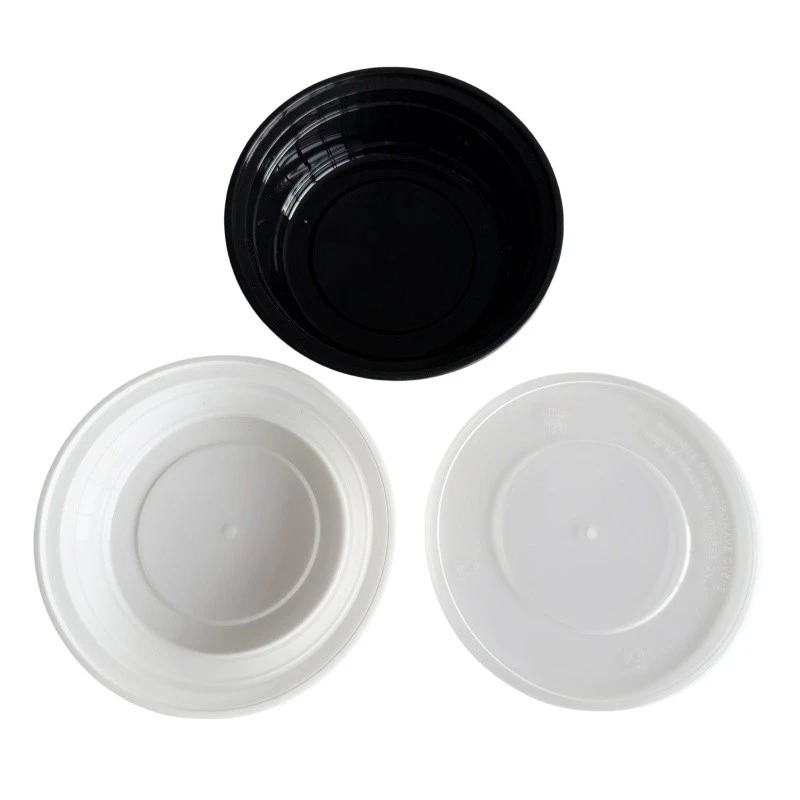

We also offer a variety of box designs, including Round Plastic Lunch Box and Korean Plastic Lunch Box with Lock. The round shape of the round plastic lunch box reduces the number of corners where sauce can accumulate. The locking mechanism in the Korean plastic lunch box with lock not only keeps the sauce fresh but also makes it more convenient to handle, reducing the chances of spills and sticking.
Storage and Handling
Proper storage and handling can prevent sauce from sticking. It is important to store the sauce plastic boxes in a cool, dry place. High temperatures can cause the sauce to become more viscous and sticky. If the boxes are stored in a hot environment, the sauce may also start to ferment or spoil, which can increase the likelihood of sticking.
When handling the boxes, avoid shaking or jostling them too much. Excessive movement can cause the sauce to spread and adhere to the box walls. It is also recommended to use utensils to scoop out the sauce instead of pouring it directly from the box. This can help control the flow of the sauce and prevent it from splashing and sticking to the sides.
Pre - Treatment of the Box
Before filling the sauce plastic boxes, a pre - treatment step can be taken. One simple method is to line the box with a thin layer of oil. A small amount of cooking oil can be spread evenly on the inner surface of the box using a paper towel. The oil creates a barrier between the sauce and the plastic, reducing sticking. However, it is important to use the right amount of oil, as too much oil can make the box greasy and unappealing.
Another pre - treatment option is to use a food - grade anti - stick spray. These sprays are specifically designed to prevent food from sticking to surfaces. They can be easily applied to the inner surface of the box and provide a temporary non - stick layer.
Cleaning and Maintenance
Proper cleaning and maintenance of the sauce plastic boxes can ensure their long - term non - stick performance. After each use, the boxes should be washed immediately with warm, soapy water. A mild dish soap is usually sufficient to remove the sauce residue. Avoid using abrasive cleaners or scrubbers, as they can damage the plastic surface and reduce its non - stick properties.
If there is stubborn sauce residue on the box, soaking it in warm water for a few minutes can help loosen the sauce. Then, gently scrub the box with a soft sponge or cloth. After washing, rinse the box thoroughly with clean water and let it dry completely before reuse.
Conclusion
Preventing sauce from sticking to the inside of sauce plastic boxes requires a combination of factors, including choosing the right plastic material, surface treatment, proper packaging design, correct storage and handling, pre - treatment of the box, and regular cleaning and maintenance. As a supplier of Sauce Plastic Box, we are committed to providing high - quality products that meet the needs of our customers. Our boxes are designed with these anti - sticking strategies in mind, ensuring a better user experience.
If you are interested in our sauce plastic boxes or have any questions about preventing sauce from sticking, please feel free to contact us for procurement and further discussions. We look forward to working with you to solve your packaging needs.
References
- "Plastic Packaging Materials for Food: Barrier Function, Mass Transport Phenomena, and Food Quality," by Y. Rooney.
- "Surface Engineering for Wear and Corrosion Resistance," edited by S. P. Arora.
- "Food Packaging Technology," by P. S. Tahergorabi.


