


When it comes to choosing the right packaging for various products, round boxes are a popular choice due to their aesthetic appeal and functionality. Two common materials used for round boxes are aluminum foil and glass. As a supplier of Aluminum Foil Round Box, I have a deep understanding of the characteristics of aluminum foil round boxes and how they stack up against glass round boxes. In this blog post, I will conduct a comprehensive comparison between these two types of round boxes from multiple perspectives.
Material Properties
Aluminum Foil Round Box
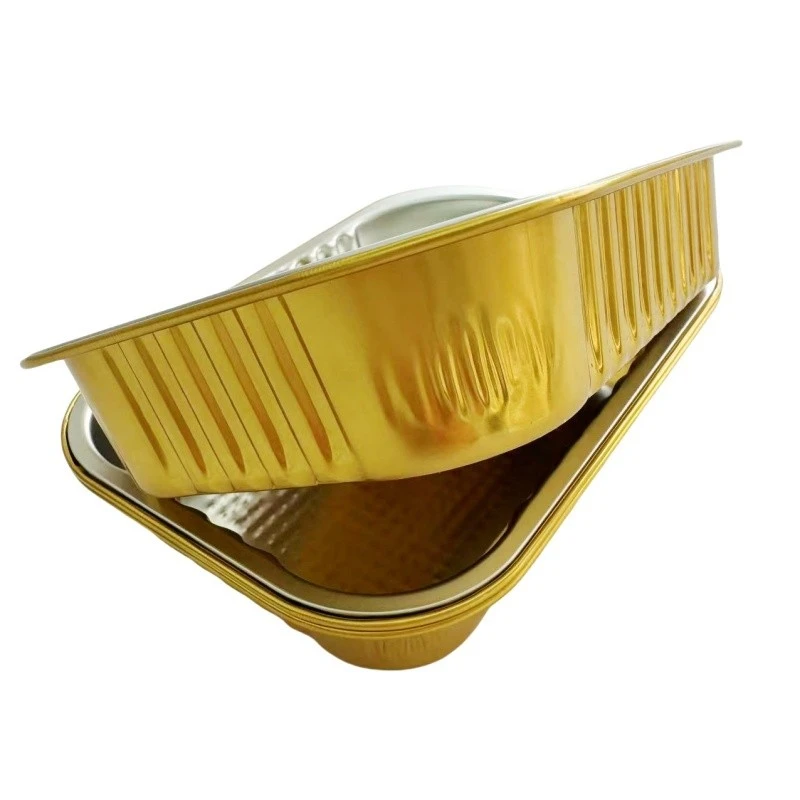
Aluminum foil is a lightweight and malleable material. It can be easily formed into round boxes of various sizes and thicknesses. The inherent flexibility of aluminum foil allows for intricate designs and shapes, which can be customized according to the specific needs of customers. Additionally, aluminum foil has excellent barrier properties against moisture, oxygen, light, and odors. This makes it an ideal choice for packaging products that are sensitive to environmental factors, such as food, cosmetics, and pharmaceuticals.
Aluminum foil is also a recyclable material. Recycling aluminum foil requires significantly less energy compared to producing new aluminum, making it an environmentally friendly option. This is in line with the growing trend of sustainable packaging in the market.
Glass Round Box
Glass is a rigid and transparent material. It offers a high - end and elegant appearance, which is often associated with premium products. Glass provides an excellent view of the product inside, allowing consumers to easily see what they are purchasing. It is also chemically inert, meaning it does not react with most substances, making it suitable for packaging a wide range of products, including acidic or alkaline ones.
However, glass is heavy and brittle. It is more prone to breakage during transportation and handling, which can lead to increased costs due to product loss and damage. The production of glass also consumes a large amount of energy and resources, and its recycling process is more complex compared to aluminum foil.

Cost - effectiveness
Aluminum Foil Round Box
The raw material cost of aluminum foil is relatively low compared to glass. The manufacturing process of aluminum foil round boxes is also more efficient, with high - speed production lines capable of producing a large number of boxes in a short period. This results in lower production costs per unit. Moreover, the lightweight nature of aluminum foil round boxes reduces transportation costs, as less fuel is required to move them from the manufacturing facility to the end - user.
Glass Round Box
The production of glass round boxes involves high - temperature melting and shaping processes, which consume a significant amount of energy. The cost of raw materials for glass, such as silica sand, soda ash, and limestone, also adds to the overall production cost. Additionally, due to its heavy weight and fragility, the packaging and transportation of glass round boxes require extra care and protection, which further increases the cost.
Design and Customization
Aluminum Foil Round Box
Aluminum foil can be easily printed on using various printing techniques, such as offset printing, flexographic printing, and digital printing. This allows for high - quality and detailed graphics to be applied to the surface of the round boxes. The boxes can also be embossed or debossed to create a three - dimensional effect, enhancing the visual appeal of the product. Furthermore, aluminum foil round boxes can be easily customized in terms of size, shape, and color, providing a high degree of flexibility for brand owners to create unique packaging solutions.
Glass Round Box
While glass can also be printed on, the printing process is more limited compared to aluminum foil. The printing on glass is often less detailed and may require more specialized equipment. Customizing the shape of glass round boxes is also more challenging and costly, as it involves creating new molds. However, glass can be etched or engraved to add a touch of elegance and uniqueness to the packaging.
Product Protection
Aluminum Foil Round Box
As mentioned earlier, aluminum foil has excellent barrier properties. It can effectively protect the product inside from moisture, oxygen, light, and odors. This is crucial for products such as food, which can spoil quickly when exposed to these elements. Aluminum foil round boxes can also provide some degree of insulation, helping to maintain the temperature of the product.
Glass Round Box
Glass provides a hermetic seal, which is effective in protecting the product from external contaminants. It is also impermeable to gases and moisture, ensuring the long - term preservation of the product. However, glass is transparent, which means that the product inside is exposed to light. For products that are sensitive to light, such as certain medications and cosmetics, additional protection, such as tinted glass or outer packaging, may be required.
Market Trends and Consumer Preferences
Aluminum Foil Round Box
In recent years, there has been a growing demand for sustainable and convenient packaging solutions. Aluminum foil round boxes meet both of these requirements. Their recyclability makes them an attractive option for environmentally conscious consumers, while their lightweight and easy - to - use nature appeal to those looking for convenience. The ability to customize the appearance of aluminum foil round boxes also makes them a popular choice for brand owners who want to stand out in the market.
Glass Round Box
Glass round boxes are still favored in the premium and luxury product segments. Their elegant and high - end appearance gives consumers the perception of a quality product. However, the market share of glass round boxes is gradually being eroded by more sustainable and cost - effective alternatives, such as aluminum foil round boxes.
Conclusion
In conclusion, both aluminum foil round boxes and glass round boxes have their own advantages and disadvantages. Aluminum foil round boxes offer cost - effectiveness, flexibility in design, excellent product protection, and environmental sustainability. On the other hand, glass round boxes provide a high - end and elegant appearance, chemical inertness, and good product visibility.
As a supplier of Aluminum Foil Round Box, I believe that aluminum foil round boxes are a more practical and sustainable choice for most applications. They can meet the diverse needs of different industries while also being environmentally friendly. If you are looking for a reliable and cost - effective packaging solution, I encourage you to consider our aluminum foil round boxes. We also offer Aluminum Foil Square Box for those who prefer a different shape.
If you are interested in our products or would like to discuss your specific packaging requirements, please feel free to reach out to us. We are more than happy to assist you in finding the perfect packaging solution for your products.
References
- "Packaging Materials: Properties and Selection" by Han - Joong Choi
- "Sustainable Packaging Design: Strategies for an Emerging Paradigm" by Susan Selke, Robert Boucher, and Jeffrey Camper


