


Hey there! As a supplier of Round Aluminum Foil Lids, I often get asked about how to ensure these lids are properly aligned when sealing. It's a crucial step in the packaging process, and getting it right can make a huge difference in the quality and functionality of the final product. So, let's dive into some practical tips and tricks to achieve that perfect alignment.
Understanding the Basics
First off, it's important to understand why proper alignment matters. When a round aluminum foil lid is correctly aligned during sealing, it creates a tight and secure seal. This not only keeps the contents fresh and protected from external contaminants but also enhances the overall appearance of the packaged product. A misaligned lid can lead to leakage, spoilage, and a less professional look, which is definitely not what we want.
Pre - sealing Checks
Before we even start the sealing process, there are a few things we need to do.
Lid Inspection
We always start by inspecting the round aluminum foil lids themselves. Look for any signs of damage, such as dents, tears, or uneven edges. Even a small imperfection can affect the alignment during sealing. If we find any defective lids, we set them aside immediately. After all, using a damaged lid is a surefire way to end up with a misaligned seal.
Container Preparation
The container that the lid will be sealed onto also needs to be in good condition. Make sure it's clean and free of any debris or residue. Any foreign particles on the container's rim can prevent the lid from sitting flat and cause alignment issues. Additionally, check the container's shape and dimensions. If it's misshapen or doesn't match the specifications of the lid, it can lead to problems during sealing.
Choosing the Right Sealing Equipment
The type of sealing equipment you use plays a significant role in achieving proper alignment.
Manual Sealing
For small - scale operations, manual sealing tools can be a cost - effective option. When using a manual sealer, it's important to take your time. Place the round aluminum foil lid gently on top of the container, making sure it's centered as best as you can by eye. Then, apply even pressure around the edges of the lid using the sealer. It might take a bit of practice to get the hang of it, but with patience, you can achieve a good alignment.
Automatic Sealing Machines
In larger production settings, automatic sealing machines are the way to go. These machines are designed to handle a high volume of lids and containers quickly and accurately. However, they need to be properly calibrated. Most automatic sealing machines have adjustable settings for lid placement and pressure. Make sure to follow the manufacturer's instructions carefully when setting up the machine. Regular maintenance is also crucial to keep the machine in optimal working condition. A well - maintained machine is more likely to align the lids correctly.
Using Alignment Aids
There are several alignment aids that can help ensure the round aluminum foil lids are properly placed.
Guides and Templates
Some containers come with built - in guides or templates that indicate where the lid should be placed. If your containers don't have these, you can create your own. For example, you can use a cardboard template with a cut - out in the shape of the lid. Place the template on top of the container, and then position the lid within the cut - out. This helps to visually align the lid accurately.
Vision Systems
In more advanced production environments, vision systems can be used. These systems use cameras and sensors to detect the position of the container and the lid. They can then adjust the lid's placement in real - time to ensure perfect alignment. While vision systems can be expensive, they offer a high level of accuracy and can significantly improve the quality of the seal.
Quality Control
Even with all the precautions in place, it's important to have a quality control process.
Random Checks
Periodically, take a random sample of the sealed products and inspect them for alignment. Look at the gap between the lid and the container's rim all the way around. A consistent gap indicates proper alignment. If you notice any misaligned lids, analyze the cause. It could be an issue with the lids, the containers, the sealing equipment, or the alignment aids.
Employee Training
Make sure your employees are well - trained in the sealing process. A knowledgeable and skilled workforce is essential for achieving proper alignment. Provide regular training sessions to keep them up - to - date on the best practices and any new techniques or equipment.
Other Considerations
Environmental Factors
The environment in which the sealing takes place can also affect alignment. For example, high humidity can cause the aluminum foil to become more flexible, which might make it harder to keep the lid in place during sealing. Try to maintain a stable environment with controlled temperature and humidity levels.

Lid Design
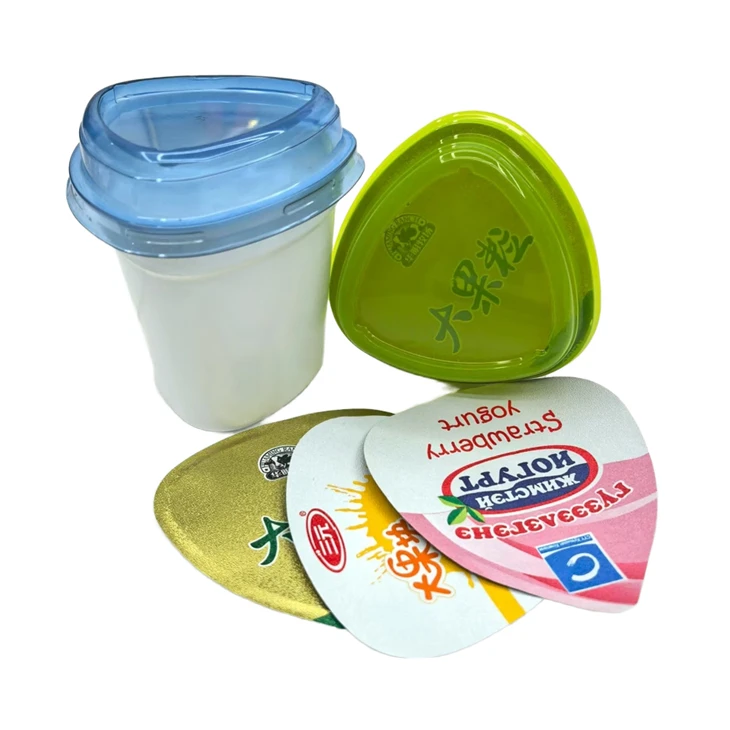
The design of the round aluminum foil lid itself can impact alignment. Some lids have features like tabs or ridges that are designed to help with alignment. When choosing lids, consider these design elements and how they can work in your favor.
Conclusion
Ensuring proper alignment of round aluminum foil lids when sealing is a multi - step process that requires attention to detail at every stage. From pre - sealing checks to choosing the right equipment and using alignment aids, each step plays an important role. By following these tips, you can improve the quality of your sealed products and reduce the number of misaligned lids.
If you're in the market for high - quality round aluminum foil lids, or you're interested in our Triangular Aluminum Foil Lid, High Quality Aluminum Foil Lid, or Peelable Aluminum Foil Lid, we'd love to hear from you. Contact us to start a discussion about your specific needs and how we can help you achieve the best results in your packaging process.
References
- Packaging Machinery Manufacturers Institute. (20XX). Best Practices for Sealing Aluminum Foil Lids.
- Aluminum Association. (20XX). Guidelines for Handling and Using Aluminum Foil in Packaging.


