


Reusing baking paper is a topic that has piqued the interest of many home bakers and professional chefs alike. As a baking paper supplier, I often receive questions from customers about the possibility of reusing this essential kitchen item. In this blog post, I'll explore the factors that determine whether baking paper can be reused, the benefits and drawbacks of doing so, and some practical tips for making the most of your baking paper.
Factors Affecting the Reusability of Baking Paper
The reusability of baking paper depends on several key factors, including the type of baking paper, the nature of the food being baked, and the baking conditions.
Type of Baking Paper
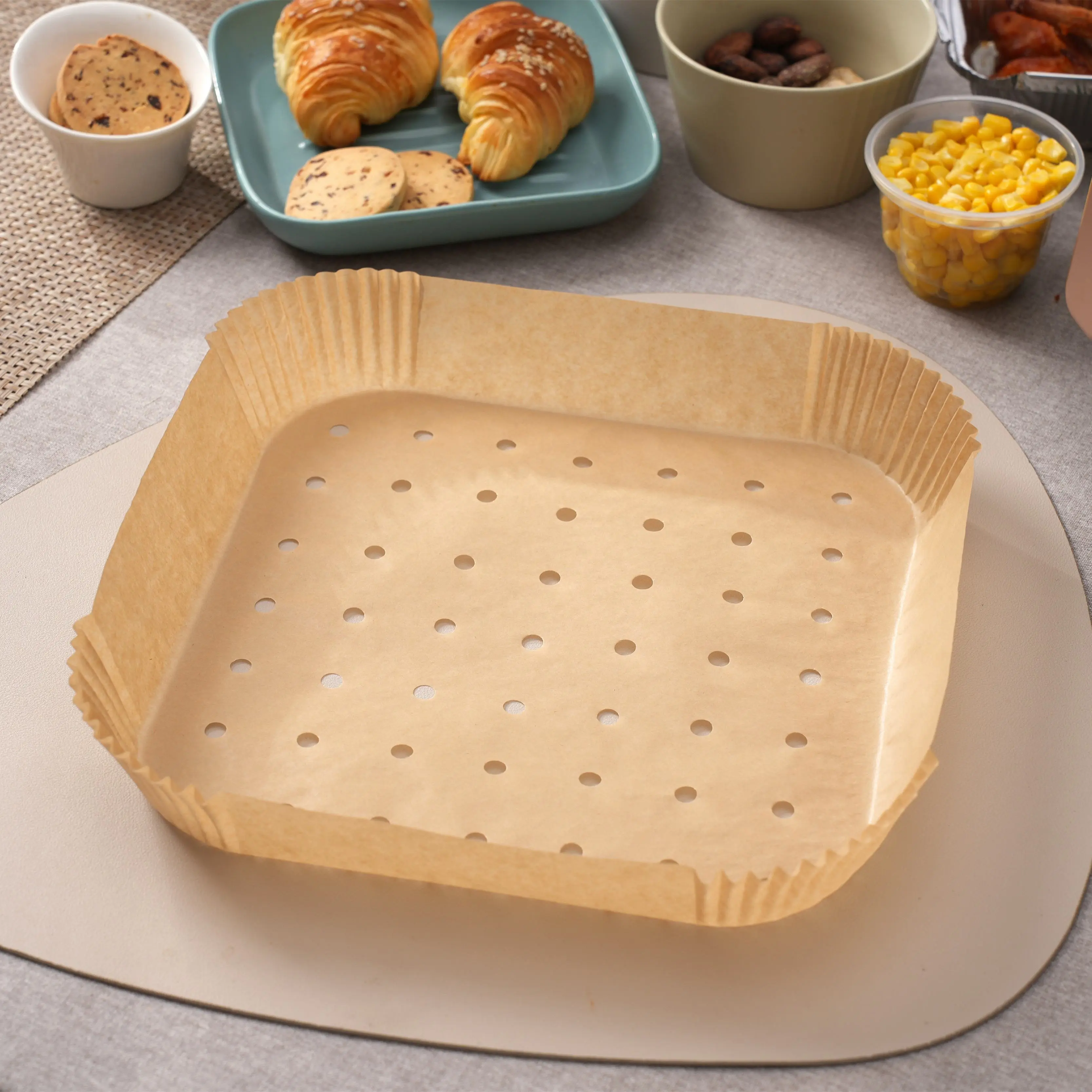
There are different types of baking paper available on the market, each with its own characteristics. Some common types include Perforated Air Fryer Baking Paper, Unbleached Rectangular Silicone Baking Paper, and Food Wrapping Silicone Baking Paper.
Silicone-coated baking papers are generally more suitable for reuse than uncoated ones. The silicone coating provides a non-stick surface that is more resistant to food sticking and staining. This means that the paper can be easily cleaned and used again without losing its non-stick properties. On the other hand, uncoated baking papers may absorb more grease and food particles, making them less likely to be reusable.
Nature of the Food Being Baked
The type of food you are baking also plays a significant role in determining whether the baking paper can be reused. If you are baking something dry, like cookies or pastries, the baking paper is likely to remain relatively clean and can be reused. These types of foods do not release a large amount of grease or moisture, so the paper is less likely to become soiled.
However, if you are baking something greasy, such as bacon or fatty meats, or something sticky, like caramel or honey-based treats, the baking paper will be more difficult to clean and reuse. The grease and stickiness can penetrate the paper, leaving behind stains and residues that may affect the taste and quality of future baked goods.
Baking Conditions
The temperature and duration of baking can also impact the reusability of baking paper. High temperatures and long baking times can cause the paper to become brittle or discolored, reducing its ability to be reused. Additionally, if the paper is exposed to excessive moisture or steam during baking, it may lose its integrity and become soggy, making it unsuitable for further use.
Benefits of Reusing Baking Paper
Reusing baking paper offers several benefits, both for the environment and for your wallet.
Environmental Benefits
By reusing baking paper, you can reduce the amount of waste that ends up in landfills. Baking paper is typically made from paper and silicone, which are not biodegradable in a short period. Every time you reuse a piece of baking paper, you help to conserve natural resources and reduce the energy and water consumption associated with the production of new paper.
Cost Savings
Buying baking paper can add up over time, especially if you are an avid baker. Reusing baking paper can significantly cut down on your kitchen expenses. You can get multiple uses out of a single sheet, which means you won't have to purchase new baking paper as frequently.
Drawbacks of Reusing Baking Paper
While there are benefits to reusing baking paper, there are also some potential drawbacks to consider.

Hygiene Concerns
One of the main concerns when reusing baking paper is hygiene. Even if you clean the paper thoroughly, there is still a risk of cross-contamination. For example, if you used the paper to bake raw meat and then reuse it to bake a cake, there could be a chance of bacteria transferring from the meat to the cake. This could pose a health risk, especially for individuals with weakened immune systems.
Reduced Non-Stick Performance
With each use, the non-stick coating on the baking paper may wear off. This can result in food sticking to the paper during subsequent uses, making it more difficult to remove the baked goods and clean the paper. If the non-stick performance is significantly reduced, the paper may no longer be as effective, and you may end up with a mess in your oven or on your baking tray.
Tips for Reusing Baking Paper
If you decide to reuse baking paper, here are some tips to help you do it safely and effectively:
Inspect the Paper
Before reusing the baking paper, carefully examine it for any signs of damage, such as tears, holes, or excessive discoloration. If the paper is in poor condition, it is best to discard it and use a new sheet.
Clean the Paper Thoroughly
To ensure hygiene, clean the used baking paper as soon as possible after baking. Use a mild dish soap and warm water to gently wash the paper, removing any food residues or grease. Avoid using abrasive cleaners or scrub brushes, as these can damage the non-stick coating.
Let the Paper Dry Completely
After washing, allow the baking paper to dry completely before using it again. Moisture can cause the paper to become weak and may lead to mold growth if stored in a damp environment.
Use for Similar Foods
To minimize the risk of cross-contamination, try to reuse the baking paper for similar types of foods. For example, if you used it to bake cookies, reuse it for more cookies rather than switching to a different type of food.
Conclusion
In conclusion, whether you can reuse baking paper depends on various factors. While it is possible to reuse certain types of baking paper under the right conditions, it is essential to weigh the benefits against the potential drawbacks. If you choose to reuse baking paper, follow the tips mentioned above to ensure safety and effectiveness.
If you're looking for high-quality baking paper for your kitchen or bakery, we are here to assist you. Our range of Perforated Air Fryer Baking Paper, Unbleached Rectangular Silicone Baking Paper, and Food Wrapping Silicone Baking Paper offers excellent non-stick properties and durability. Contact us to discuss your needs and explore our product offerings. We look forward to partnering with you to meet your baking paper requirements.
References
- "Guide to Baking Paper", Culinary Arts Institute, 2023
- "Sustainable Kitchen Practices", Environmental Kitchen Magazine, 2023


